





Understanding the Rise of Portable Smoothies
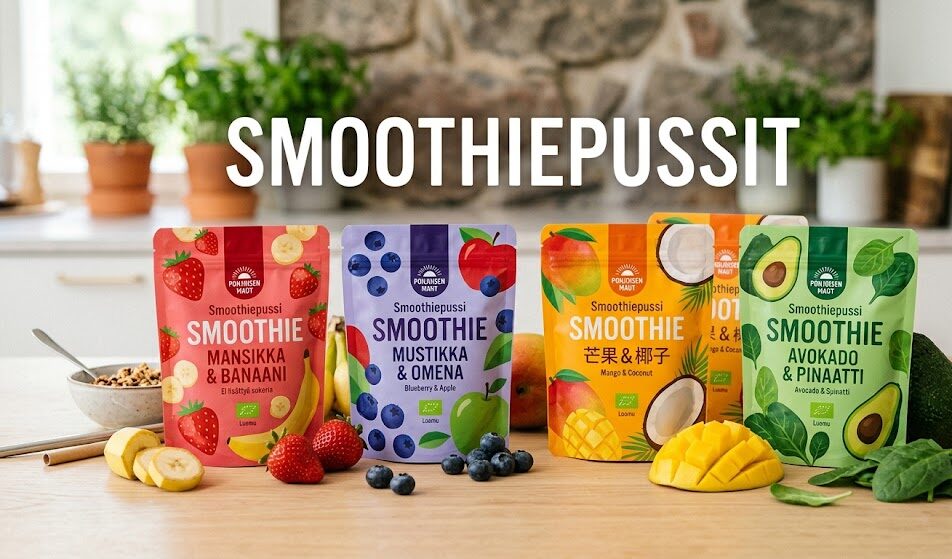
In the modern fast-paced world, finding a balance between convenience and nutrition is a constant challenge. This is where smoothiepussit have found their niche, offering a bridge between traditional home-blended drinks and the need for portability. These products are essentially liquid snacks packaged in flexible pouches, designed to be consumed directly or squeezed into a bowl. They have become a staple for everyone from busy professionals needing a quick energy boost to parents looking for mess-free options for their children.
The appeal lies in the preservation of flavor and vitamins without the need for refrigeration in many shelf-stable varieties. Whether you are hitting the gym, commuting to work, or packing a lunchbox, these pouches provide a controlled portion of fruit and vegetable purees. The market has evolved significantly, moving away from high-sugar purees toward sophisticated blends involving “superfoods,” healthy fats, and plant-based proteins. For the conscious consumer, understanding the quality of ingredients within these pouches is the first step toward making a beneficial dietary choice that supports a high-energy lifestyle.
Comparing Pouch Options: Commercial vs. Reusable
Nutritional Value and Ingredient Transparency
When selecting liquid snacks, the ingredient list is your most important tool. A high-quality blend should ideally prioritize whole fruit purees and vegetable extracts over juices or concentrates. Many people mistakenly believe that all blended snacks are equal, but the presence of fiber is a major differentiator. Fiber helps slow down the absorption of natural sugars, preventing the “sugar crash” often associated with processed snacks.
It is also vital to look for products that avoid added cane sugar, corn syrup, or artificial preservatives. Natural sweetness usually comes from apples, bananas, or dates, which provide a more complex nutritional profile than refined sweeteners. Additionally, many modern blends are now fortified with functional ingredients like chia seeds, flax, or even spinach and kale. These additions increase the density of micronutrients, such as iron and vitamin C, making the snack more than just a sweet treat. Checking for organic certifications can also ensure that the produce used is free from synthetic pesticides, which is a priority for many health-conscious shoppers.
The Evolution of Packaging Technology
The transition from glass bottles to flexible pouches represents a significant shift in food science and logistics. These pouches are typically made from multiple layers of thin plastic and sometimes a layer of aluminum to protect the contents from light and oxygen. This specialized barrier is what allows the fruit blends to stay fresh for months without chemical preservatives. The lightweight nature of this packaging also reduces the carbon footprint during transportation compared to heavy glass or bulky cans.
However, the industry is currently facing a challenge regarding the recyclability of these multi-layer materials. Many brands are now innovating with mono-material plastics that are easier to process in standard recycling facilities. For the consumer, this means that enjoying the convenience of a squeeze-bottle snack is becoming increasingly compatible with environmental values. Some companies have even implemented “send-back” programs where customers can mail empty pouches for specialized recycling. This technological progress ensures that the convenience of modern life doesn’t have to come at a permanent cost to the planet.
Supporting Child Development Through Healthy Textures
For parents, portable purees are often the first introduction to varied flavors for their toddlers. Introducing a wide array of tastes—such as the earthiness of beets combined with the sweetness of berries—can help prevent picky eating habits later in life. Because the texture is smooth and consistent, it is an accessible way for young children to consume nutrients that they might otherwise reject in whole form.
Furthermore, the act of using a squeeze pouch can help develop fine motor skills and hand-eye coordination in young children. It encourages self-feeding, allowing them to control the pace of their snack. However, pediatricians often recommend that these should supplement, not replace, whole foods. Using them as a convenient bridge during travel or outings ensures the child stays nourished without the mess of spoons and bowls. It is a tool for modern parenting that balances the reality of a busy schedule with the desire to provide high-quality, plant-based nutrition.
Optimizing Pre-Workout Energy Levels
Athletes and fitness enthusiasts often turn to blended fruit snacks as a source of rapid-acting carbohydrates. Before a workout, the body needs fuel that is easy to digest and won’t cause gastrointestinal distress. Because the fruits are already pureed, the body spends less energy breaking down the food, allowing the glucose to reach the muscles more quickly. This makes them an excellent alternative to synthetic energy gels, which can sometimes have an unappealing chemical taste.
Post-workout, these pouches can be paired with a protein source to aid recovery. The natural sugars help replenish glycogen stores that are depleted during intense exercise. Some specialized blends even include coconut water for natural electrolytes or ginger to help with inflammation. By choosing a blend with a higher vegetable content, athletes can also benefit from nitrates and antioxidants that support blood flow and muscle repair. It is a functional, natural approach to performance nutrition that fits easily into a gym bag.
Creative Ways to Use Purees in Cooking
While most people consume these pouches directly, they are surprisingly versatile in the kitchen. They can act as a healthy substitute for oils or eggs in certain baking recipes, adding moisture and natural sweetness to muffins or pancakes. For instance, a mango and peach blend can be swirled into plain Greek yogurt to create a custom flavored treat without the high sugar content of pre-mixed yogurts.
In the morning, these purees make an excellent topping for oatmeal or chia pudding. Instead of using syrup, drizzling a berry-based puree over your breakfast provides a burst of flavor along with extra vitamins. Some adventurous home cooks even use tart fruit blends as a base for salad dressings or as a glaze for roasted vegetables. This versatility means that if you have extra pouches in the pantry, they never have to go to waste. They are essentially “pre-prepped” ingredients that can save time during meal preparation.
Practical Storage and Safety Tips
Even though many pouches are shelf-stable, proper storage is key to maintaining their nutritional integrity. Heat and direct sunlight are the enemies of vitamins; storing your supply in a cool, dark pantry is the best practice. Once a pouch is opened, the clock starts ticking. Most brands recommend consuming the contents within 24 hours and keeping the opened pouch in the refrigerator.
Safety is also a priority, especially regarding the small caps which can be a choking hazard for very young children. Always supervise kids while they are using the pouches and ensure the cap is disposed of immediately. If you notice a pouch is bloated or leaking before you open it, this is a sign of bacterial growth and it should be discarded immediately. For those using reusable versions, thorough cleaning is essential. Using a bottle brush or a dishwasher-safe pouch ensures that no residue is left in the corners, preventing mold growth and ensuring every snack is as fresh as the first one.
The Future of Sustainable Snacking
The snack industry is moving toward “circularity,” where the lifecycle of a product is considered from beginning to end. We are seeing a rise in the use of “ugly fruit”—produce that is perfectly nutritious but aesthetically imperfect for supermarket shelves—being used for purees. This helps reduce food waste at the farm level, turning potential waste into high-value snacks.
As consumer demand for transparency grows, we can also expect more “trackable” snacks where a QR code on the pouch reveals exactly which farm the ingredients came from. This level of accountability builds trust and ensures that ethical labor practices are followed. The intersection of technology, nutrition, and sustainability is making the portable snack market more exciting than ever. Whether it’s through biodegradable packaging or carbon-neutral production, the goal is to make healthy eating the easiest choice for everyone, regardless of how busy their lives may be.
FAQs
Are these pouches healthy for everyday use? Yes, as long as you choose options with no added sugar and a high fiber content. They are best used as a supplement to a diet that includes whole fruits and vegetables to ensure you get a full range of textures and nutrients.
Can I freeze smoothie pouches? Most can be frozen and used as a “slushie” or kept in a lunchbox to keep other foods cold. As it thaws, it becomes a refreshing cold drink. Just be sure to check if the specific packaging is freezer-safe.
What is the difference between a puree and a juice pouch? A puree includes the pulp and more of the fiber from the fruit, whereas a juice pouch usually filters these out. Purees are generally more filling and have a lower glycemic impact than clear juices.
Are the caps recyclable? Usually, the caps are made of a different type of plastic (HDPE) than the pouch itself. In many regions, the caps can be recycled in standard bins, but the pouches may require a specialized collection point.
Conclusion
The evolution of convenient nutrition has brought us to a point where staying healthy on the move is no longer a luxury. These portable fruit and vegetable blends offer a sophisticated solution for various lifestyles, from the high-performing athlete to the busy parent. By focusing on ingredient transparency and prioritizing products that maintain the natural integrity of their raw materials, consumers can enjoy a significant nutritional boost with minimal effort.
As we look forward, the trend is clearly leaning toward even more functional ingredients and environmentally friendly packaging solutions. Choosing a snack that aligns with both your health goals and your planetary values is becoming easier every day. Whether you prefer the total control of a DIY reusable pouch or the unmatched speed of a high-quality store-bought version, these snacks are a powerful tool in your wellness arsenal. Ultimately, the best snack is one that you actually enjoy and that fits seamlessly into your daily routine, providing the energy you need to tackle whatever challenges come your way. By staying informed about labels and sustainability, you can make these liquid snacks a permanent and beneficial part of your modern diet.